
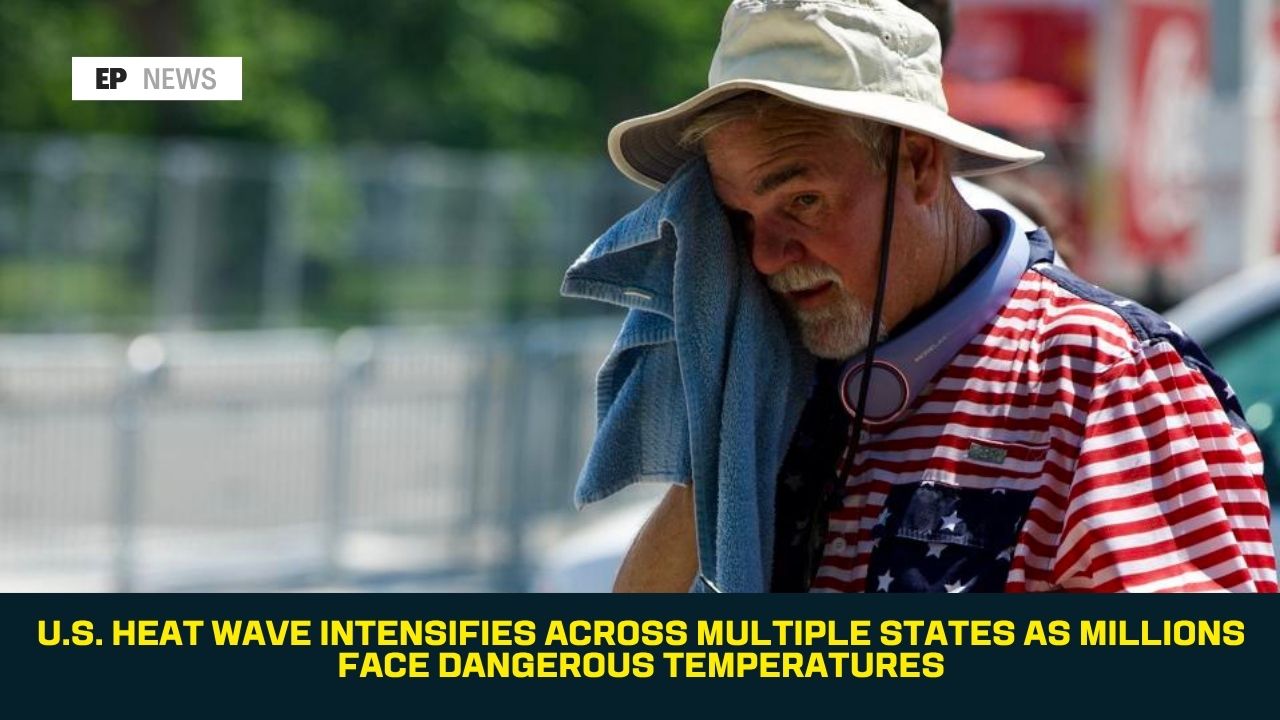
U.S. Heat Wave Expands Across Multiple States as Officials Warn of Dangerous Conditions
Millions of Americans are under extreme heat alerts as a widespread heat wave continues to impact large parts of the United States. Forecasters warn that daytime temperatures, combined with high humidity, are creating dangerous conditions that increase the risk of heat-related illnesses, particularly for children, older adults, outdoor workers, and people with underlying health conditions.
Weather officials say the current pattern is expected to keep temperatures well above seasonal averages across portions of the Midwest, South, and East, with some communities experiencing heat index values well above 100°F. Authorities are urging residents to limit outdoor activities during the hottest part of the day and remain alert for signs of heat exhaustion and heat stroke.
Why the Heat Wave Is So Dangerous
Meteorologists explain that the danger comes not only from high air temperatures but also from elevated humidity levels.
When humidity rises, the human body has greater difficulty cooling itself through sweating. As a result, the “feels-like” temperature—or heat index—can become significantly higher than the actual air temperature.
Health experts warn that prolonged exposure to these conditions may lead to:
- Heat exhaustion
- Heat stroke
- Dehydration
- Increased stress on the heart and lungs
- Greater health risks for vulnerable populations
States Facing the Greatest Impact
Forecasts indicate that portions of several regions are experiencing the most significant heat, including:
Midwest
Many communities continue to record above-average temperatures, prompting local officials to remind residents to stay hydrated and check on elderly neighbors.
Southern United States
Persistent hot and humid conditions are increasing heat stress, particularly for outdoor workers.
Eastern States
Large metropolitan areas are also experiencing elevated overnight temperatures, reducing opportunities for the body to recover from daytime heat.
National Weather Service Safety Advice
Emergency management agencies recommend several simple precautions to reduce health risks during extreme heat:
Stay Hydrated
Drink water regularly, even if you do not feel thirsty.
Avoid Peak Heat
Limit strenuous outdoor activity during the afternoon when temperatures are highest.
Wear Lightweight Clothing
Choose loose-fitting, light-colored clothing whenever possible.
Never Leave Children or Pets in Vehicles
Vehicle interiors can reach life-threatening temperatures within minutes.
Check on Family and Neighbors
Older adults and individuals living alone may require additional assistance during prolonged heat events.
Impact on Daily Life
The heat wave is affecting daily routines across many communities.
Possible impacts include:
- Increased electricity demand from air conditioning.
- Greater pressure on local power grids.
- Higher wildfire risk in some dry regions.
- Disruptions to outdoor sporting events and construction work.
- Increased visits to emergency departments for heat-related illnesses.
Health Experts Urge Extra Caution
Medical professionals emphasize that recognizing symptoms early can save lives.
Signs of Heat Exhaustion
- Heavy sweating
- Weakness
- Dizziness
- Nausea
- Muscle cramps
Signs of Heat Stroke
- Body temperature above 103°F
- Confusion
- Loss of consciousness
- Hot, dry skin or reduced sweating
Heat stroke is considered a medical emergency, and anyone showing these symptoms should receive immediate medical attention.
Why Extreme Heat Matters
Extreme heat remains one of the deadliest weather hazards in the United States because it can affect large populations over several consecutive days.
Unlike severe storms or hurricanes, prolonged heat may appear less dramatic but can significantly increase health risks, particularly in densely populated urban areas where nighttime temperatures remain elevated.
Public health agencies continue encouraging residents to use cooling centers where available and follow local weather advisories as conditions evolve.
What to Expect Next
Forecasters say some areas may receive temporary relief from scattered thunderstorms, while others are likely to remain under heat alerts until cooler air gradually moves into the region.
Officials continue monitoring forecast changes and encourage residents to follow updates from local emergency management agencies and the National Weather Service.
Frequently Asked Questions (FAQ)
Which parts of the U.S. are most affected?
The Midwest, South, and portions of the Eastern United States are among the regions experiencing the highest temperatures and heat index values.
Who faces the highest health risk?
Older adults, young children, people with chronic medical conditions, and individuals working outdoors are considered most vulnerable during extreme heat.
How can people stay safe?
Stay hydrated, avoid outdoor activities during peak afternoon heat, wear lightweight clothing, and never leave children or pets inside parked vehicles.
Is the heat expected to continue?
Forecasts indicate that dangerous temperatures may persist in several regions before gradual cooling reaches some affected areas.
Conclusion
The ongoing U.S. heat wave serves as another reminder of how prolonged periods of extreme temperatures can affect public health, infrastructure, and daily life. With millions of Americans facing dangerous heat conditions, officials continue urging residents to take simple but essential precautions—stay hydrated, avoid unnecessary outdoor exposure during peak heat, and pay close attention to weather advisories. As forecasts evolve over the coming days, following guidance from local authorities will remain the best way to stay safe during this period of extreme weather.