
IRS Announces Key Inflation Adjustments for the 2027 Tax Year: What Workers and Families Need to Know
Preparing for Upcoming Tax Code Adjustments
As the financial year progresses, tax planning shifts from reactive compliance to proactive optimization. The Internal Revenue Service (IRS) routinely releases annual inflation adjustments designed to prevent “bracket creep”—a phenomenon where nominal wage increases push workers into higher tax brackets despite no real gain in purchasing power. Understanding these adjustments well ahead of time allows high-earning professionals, working families, and retirees to structure their income, deductions, and savings contributions effectively.
Key Structural Changes in Federal Tax Brackets
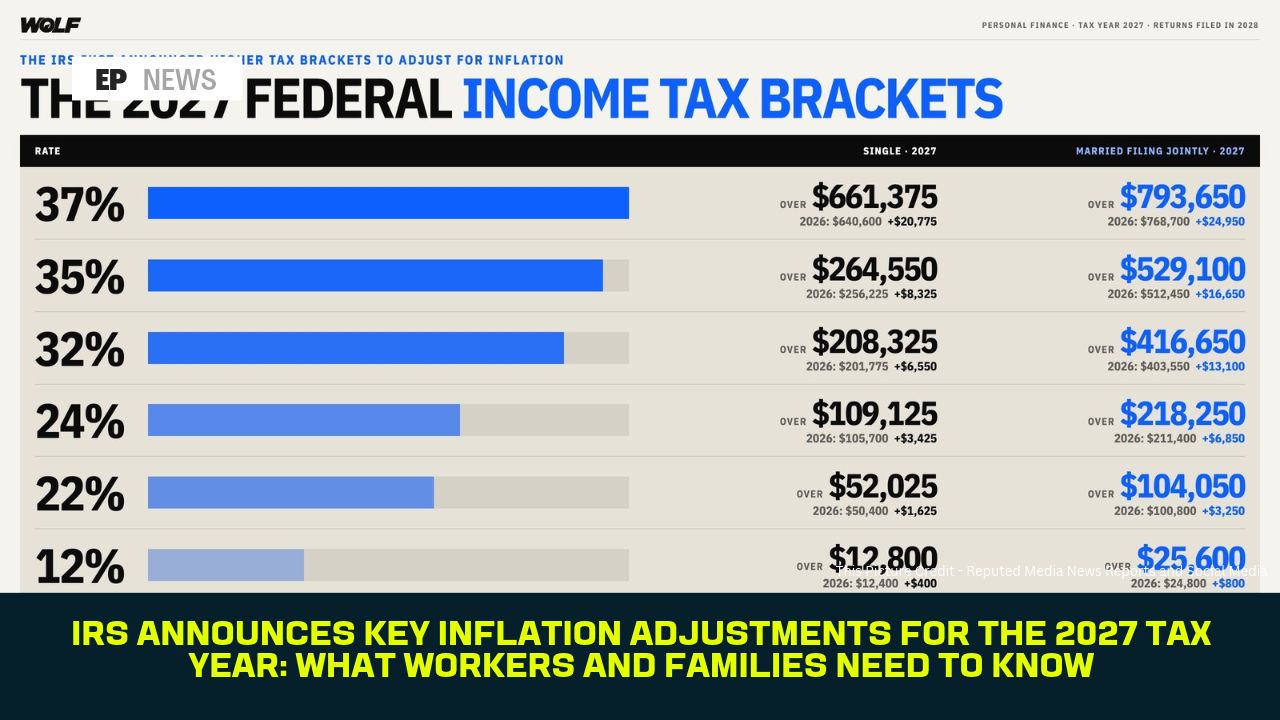
Inflation indexing influences every corner of the federal tax code, from standard deduction thresholds to the boundaries of individual marginal tax brackets.
- Standard Deduction Adjustments: Standard deduction increases provide immediate relief to the vast majority of American tax filers who choose not to itemize deductions.
- Marginal Rate Thresholds: Income boundaries for the 10%, 12%, 22%, 24%, 32%, 35%, and 37% brackets shift upward, ensuring that cost-of-living salary adjustments do not trigger harsher tax penalties prematurely.
- Retirement Account Contribution Limits: Caps on 401(k), traditional IRA, and Roth IRA contributions frequently adjust in tandem, expanding tax-advantaged wealth-building capacity.
Maximizing Deductions and Credits
Strategic tax management relies on leveraging every available credit and deduction. Families navigating upcoming tax changes should evaluate how child tax credits, earned income tax credits (EITC), and adoption assistance programs shift under updated inflation guidelines.
Proactive Steps for Year-End and New Year Tax Positioning
To ensure you do not leave money on the table, implement these structured financial moves:
- Maximize Workplace Accounts: Max out pre-tax contributions to employer-sponsored retirement vehicles to lower your adjusted gross income (AGI).
- Utilize Health Savings Accounts (HSAs): If enrolled in a high-deductible health plan, fund your HSA to capture triple tax advantages for medical expenditures.
- Review Withholding Settings: Adjust your W-4 withholding status periodically, especially following major life events, salary promotions, or household structural changes.
Frequently Asked Questions (FAQs)
- What is bracket creep? Bracket creep occurs when inflation pushes an individual into a higher tax bracket even though their purchasing power has remained entirely flat or decreased.
- Should I itemize or take the standard deduction? If your total deductible expenses (such as mortgage interest, state and local taxes, and charitable contributions) exceed the updated standard deduction threshold, itemizing is typically more advantageous.
Conclusion
Staying informed regarding IRS inflation adjustments is a cornerstone of intelligent personal finance management. By incorporating these policy updates into your annual budgeting and wealth accumulation strategies, you can minimize tax liabilities and preserve hard-earned capital.