
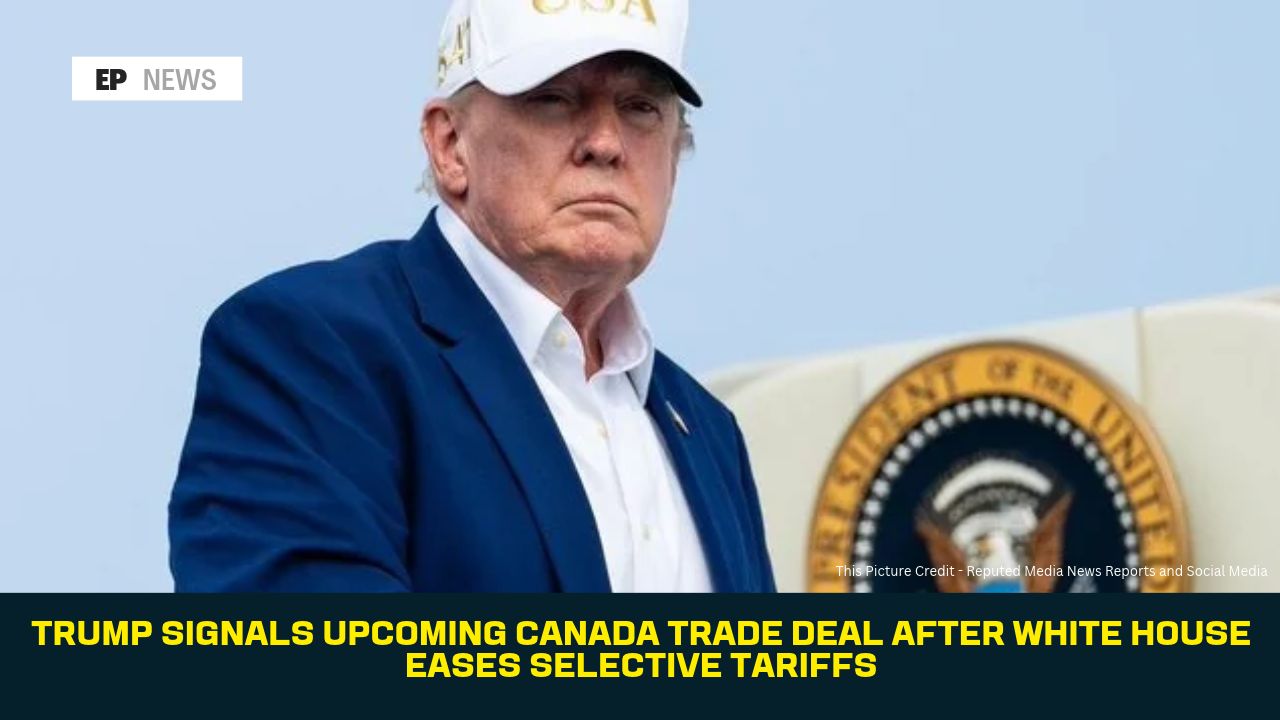
Trump Signals Upcoming Canada Trade Deal After White House Eases Selective Tariffs
Evaluating North American Trade Dynamics
The recent diplomatic developments follow weeks of friction regarding trade balances, border security measures, and commodity pricing. While administration officials maintain that aggressive tariff tools are essential for protecting domestic industries and curbing illicit cross-border flows, trade economists and lawmakers have cautioned against potential disruptions to integrated supply chains in manufacturing and agriculture.
During press briefings at the White House, administration representatives emphasized that ongoing negotiations aim to secure favorable terms for American workers while addressing long-standing trade deficits. Business leaders and agricultural producers are closely monitoring the talks, hoping for a stable framework that prevents retaliatory measures and secures predictable market access.
Congressional Scrutiny and Legislative Pushback
The prospective trade announcement also coincides with legislative efforts on Capitol Hill. Lawmakers have advanced resolutions examining the boundaries of executive trade-emergency powers under historical statutes, reflecting a broader debate over the balance of power between the executive branch and Congress on international commerce.
FAQ
Q: What prompted recent discussions regarding U.S.-Canada trade policies?
A: Administrative reviews of import tariffs, combined with congressional feedback and negotiations over economic security, have driven the latest diplomatic talks.
Q: Are specific sectors expected to benefit from the potential agreement?
A: Analysts suggest that manufacturing, automotive, and agricultural sectors stand to gain the most from restored trade predictability.