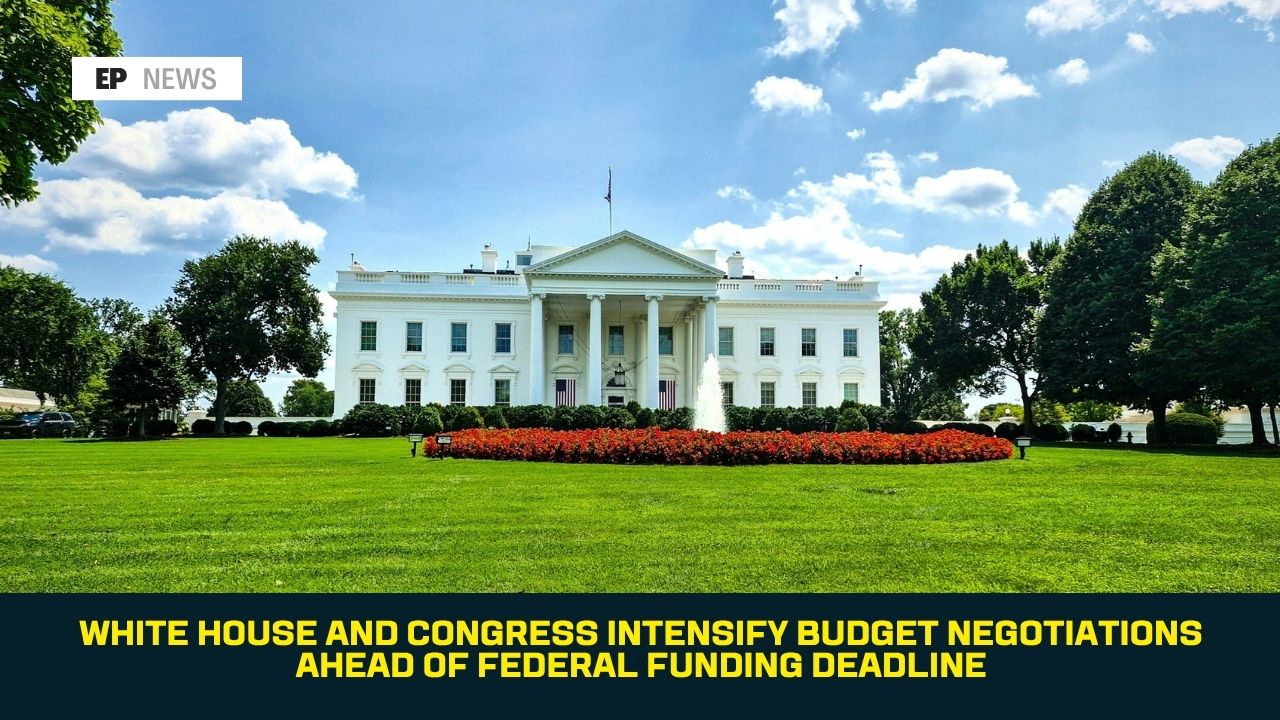
White House and Congress Intensify Budget Negotiations Ahead of Federal Funding Deadline
White House officials and congressional leaders are accelerating negotiations over federal spending legislation as lawmakers work to avoid a potential government funding disruption before the upcoming budget deadline. The talks have become one of the most closely watched issues in Washington, with both parties attempting to reach agreement on discretionary spending levels, agency funding, and a range of policy provisions tied to the broader budget package.
The negotiations are taking place as Congress continues balancing defense priorities, domestic spending, infrastructure investments, and long-term fiscal concerns. While lawmakers have expressed optimism that progress is being made, several major funding questions remain unresolved.
What Is Being Negotiated?
The current discussions focus on annual appropriations legislation that funds most federal government operations.
Key areas under negotiation include:
- Defense spending.
- Domestic program funding.
- Transportation and infrastructure.
- Education and workforce programs.
- Healthcare and public health funding.
- Research and technology investment.
- Border security resources.
Congress must approve funding legislation before the deadline to avoid disruptions in government operations.
Why the Deadline Matters
Federal funding deadlines are important because many government agencies depend on annual appropriations approved by Congress.
If lawmakers fail to reach agreement, the government may need a temporary funding measure, commonly known as a continuing resolution, to maintain operations while negotiations continue.
Budget uncertainty can affect:
- Federal agencies.
- Government contractors.
- Research institutions.
- Infrastructure projects.
- Military operations.
- Financial market confidence.
White House Priorities
Administration officials say their priorities include maintaining funding for critical government services while supporting economic growth and national security objectives.
Areas receiving particular attention include:
- Infrastructure modernization.
- Advanced technology research.
- Artificial intelligence and cybersecurity.
- Public health preparedness.
- Energy and manufacturing initiatives.
- Workforce development programs.
The White House has emphasized that predictable funding helps agencies plan long-term investments and staffing needs.
Congressional Debate Continues
Members of Congress remain divided on several spending issues.
Lawmakers are debating:
- Overall discretionary spending levels.
- Deficit reduction strategies.
- Defense and non-defense funding balance.
- Border and immigration resources.
- Energy and environmental programs.
- Federal agency oversight.
Negotiators are working to find compromises that can receive support in both chambers of Congress.
Economic Implications
Budget negotiations can influence broader economic conditions by affecting government spending, business planning, and investor confidence.
Economists say prolonged uncertainty may lead some organizations to delay hiring, investment, or contract decisions until funding questions are resolved.
Financial markets often monitor budget negotiations because they can affect Treasury markets, federal borrowing expectations, and broader economic sentiment.
What Happens Next?
Negotiations are expected to continue over the coming days as congressional leaders work toward a funding agreement.
Possible next steps include:
- A bipartisan spending agreement.
- Passage of individual appropriations bills.
- A temporary continuing resolution.
- Additional negotiations between House and Senate leaders.
- White House review of any final funding package.
Lawmakers have indicated that discussions will continue until a funding framework is finalized.
Frequently Asked Questions
What are budget negotiations?
Budget negotiations are discussions between the White House and Congress over federal spending levels and funding for government agencies.
Why is the funding deadline important?
Congress must approve funding legislation to keep most federal government operations running without disruption.
What happens if lawmakers do not reach an agreement?
Congress may pass a temporary funding measure, known as a continuing resolution, while negotiations continue.
Conclusion
Budget negotiations between the White House and Congress have entered a critical phase as lawmakers work to finalize federal spending legislation before the upcoming funding deadline. With defense, infrastructure, technology, healthcare, and domestic programs all under discussion, the outcome of these talks will shape government operations and economic policy for the coming fiscal year. Investors, businesses, and federal agencies will continue watching closely as negotiators seek a bipartisan path forward.